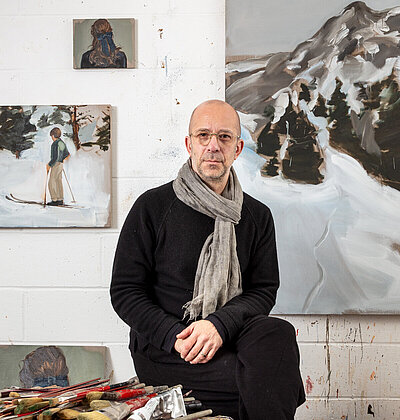
Gideon Rubin: there are ways out.
Galerie Karsten Greve AG, St. Moritz
Monday - Saturday 10 am – 1 pm / 2 pm – 6.30 pm
Opening
on Saturday, February 14, 2026, from 5pm to 7pm
in presence of the artist.
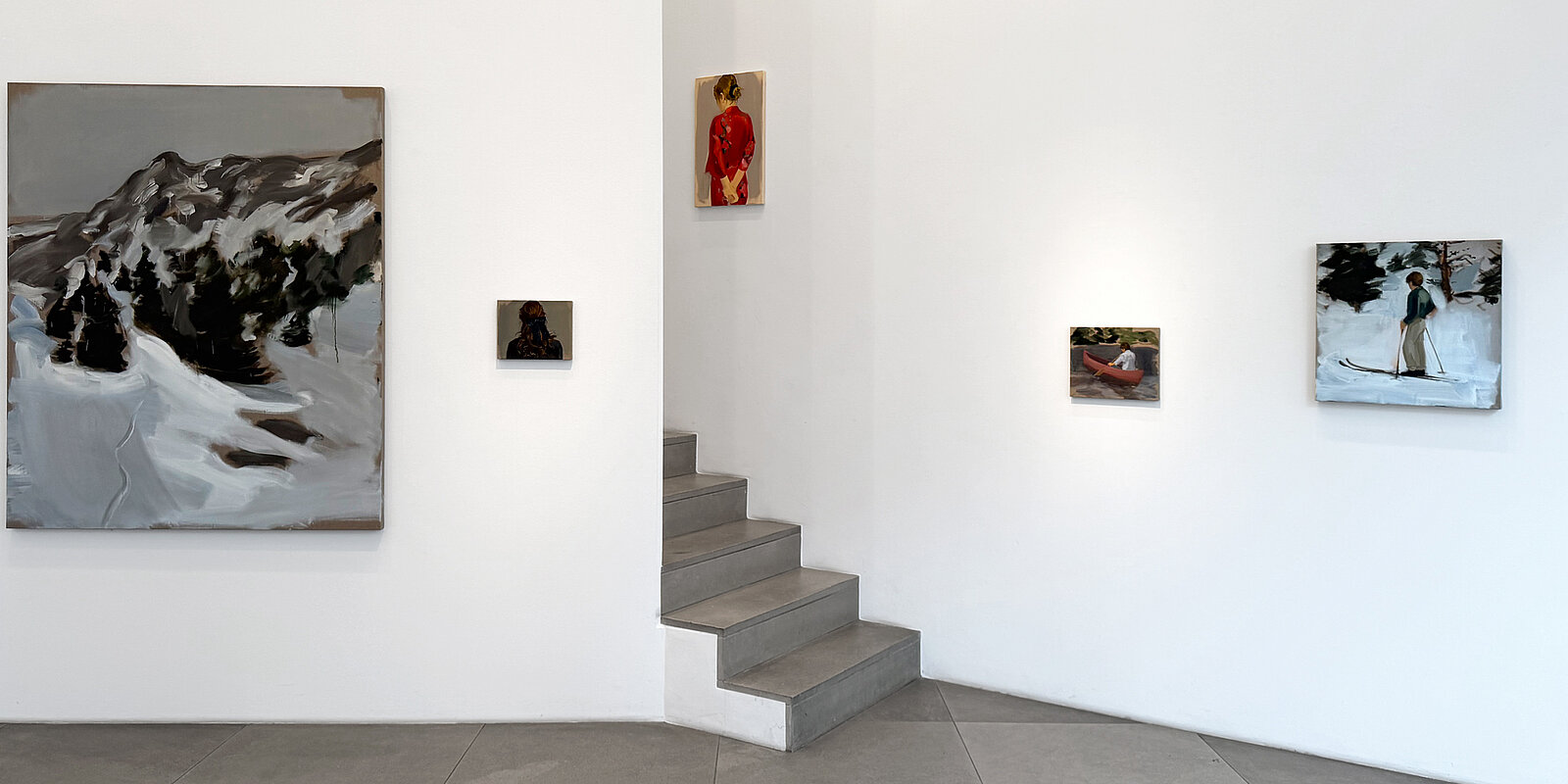
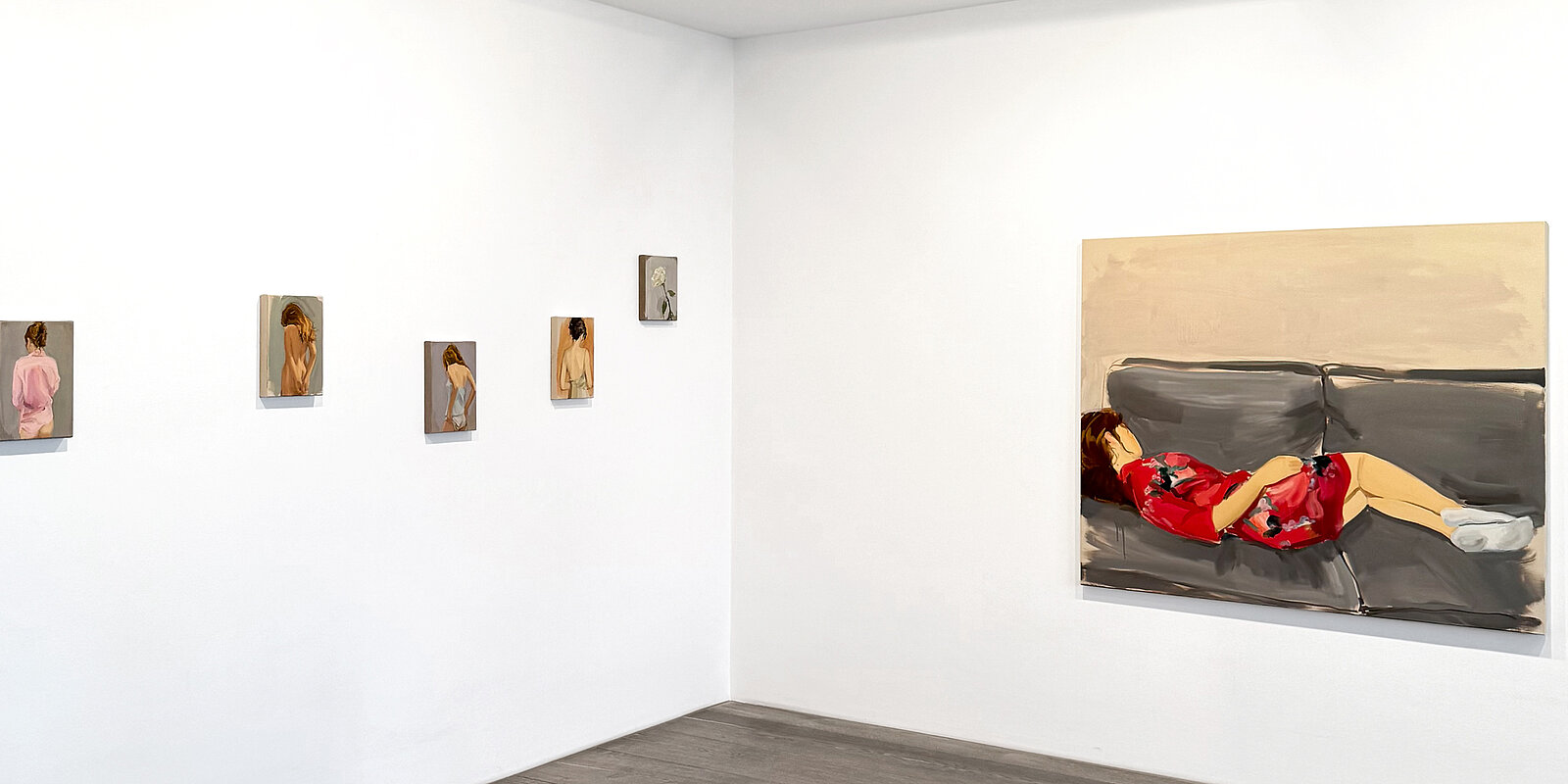
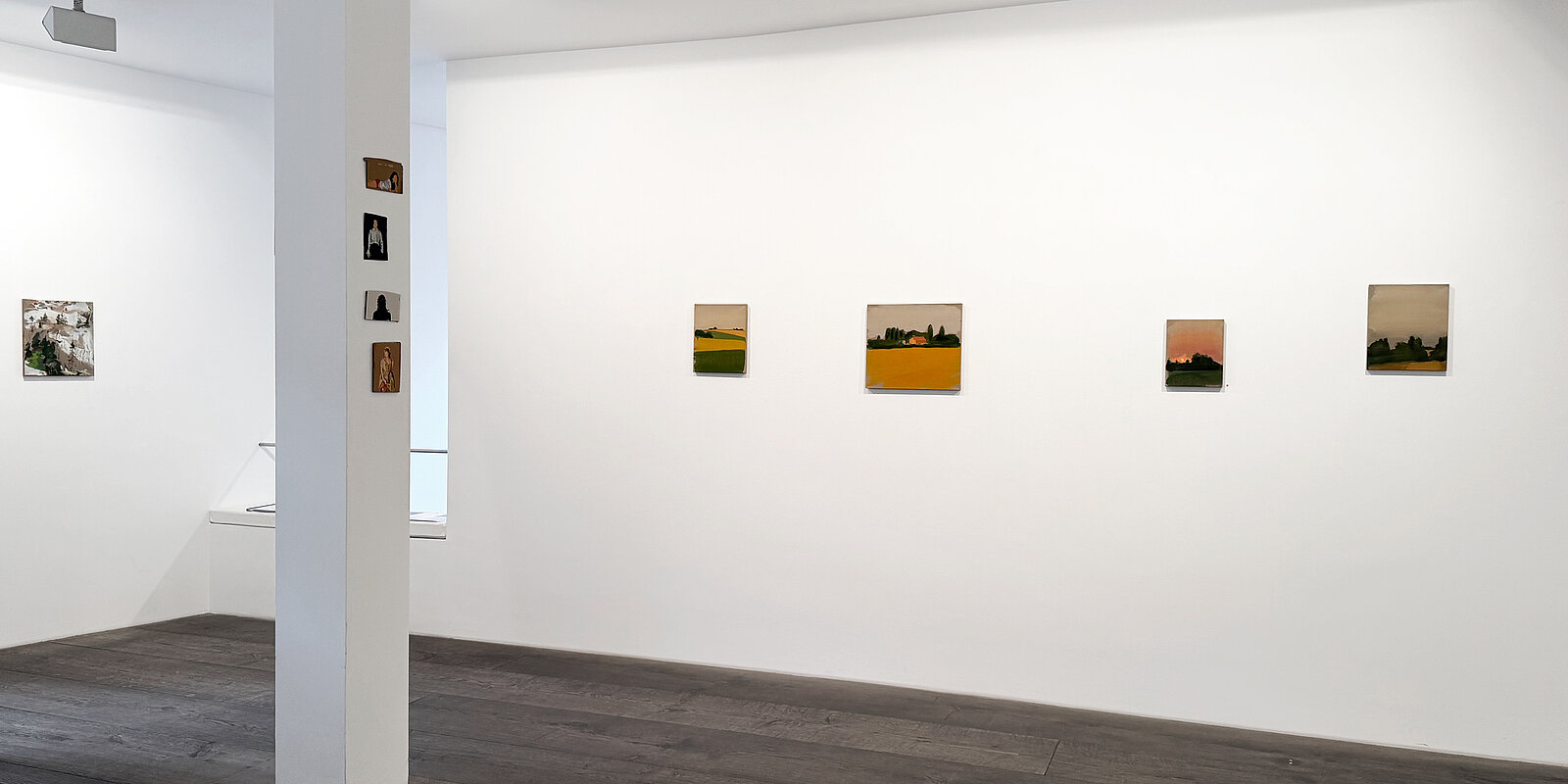
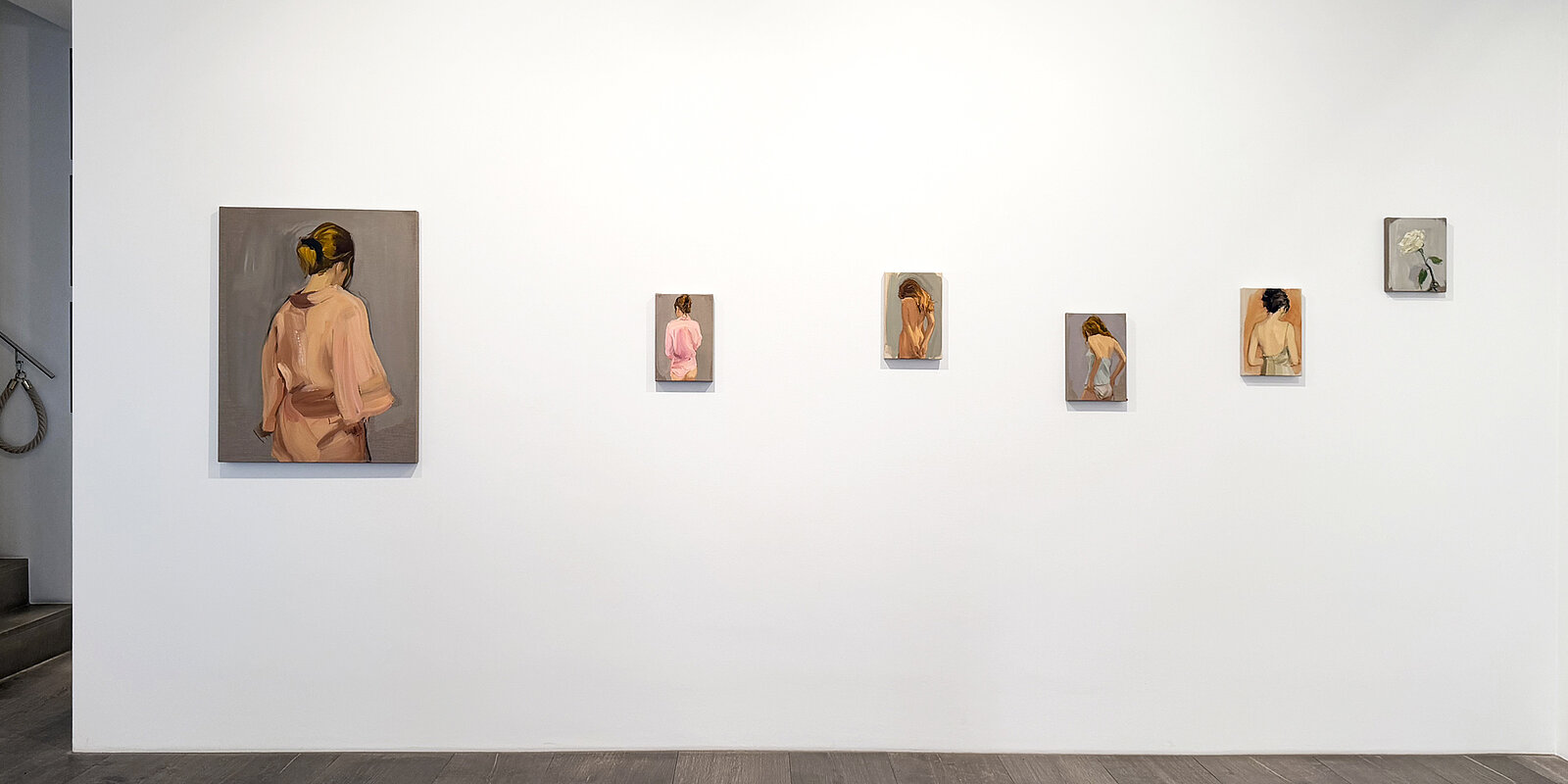
With there are ways out., Galerie Karsten Greve in St. Moritz presents a new body of work by Gideon Rubin, created specifically for this exhibition. Borrowed from Charles Bukowski’s poem The Laughing Heart, the title functions less as a declaration than as a poetic proposition: a quiet reminder that even in unsettled times, there remain openings for pause, attentiveness, and reflection.
Rubin’s painting unfolds in a subtle tension between presence and withdrawal, between memory and imagination. His works resist closure: rather than offering fixed narratives, they propose open pictorial situations in which meaning is not asserted but gradually assembled through looking. Within this curatorial logic of openness lies a philosophical charge—what matters most is not fully stated, but suggested, entrusted to the viewer’s perceptual and emotional participation.
There is a particular sensitivity in Rubin’s painterly touch—often only a few gestures are enough to evoke an entire atmosphere. His motifs may appear simple, yet they carry immediate emotional resonance. Intensity arises through reduction: what Rubin deliberately leaves unresolved allows the viewer to complete the image inwardly, in a distinctly personal way.
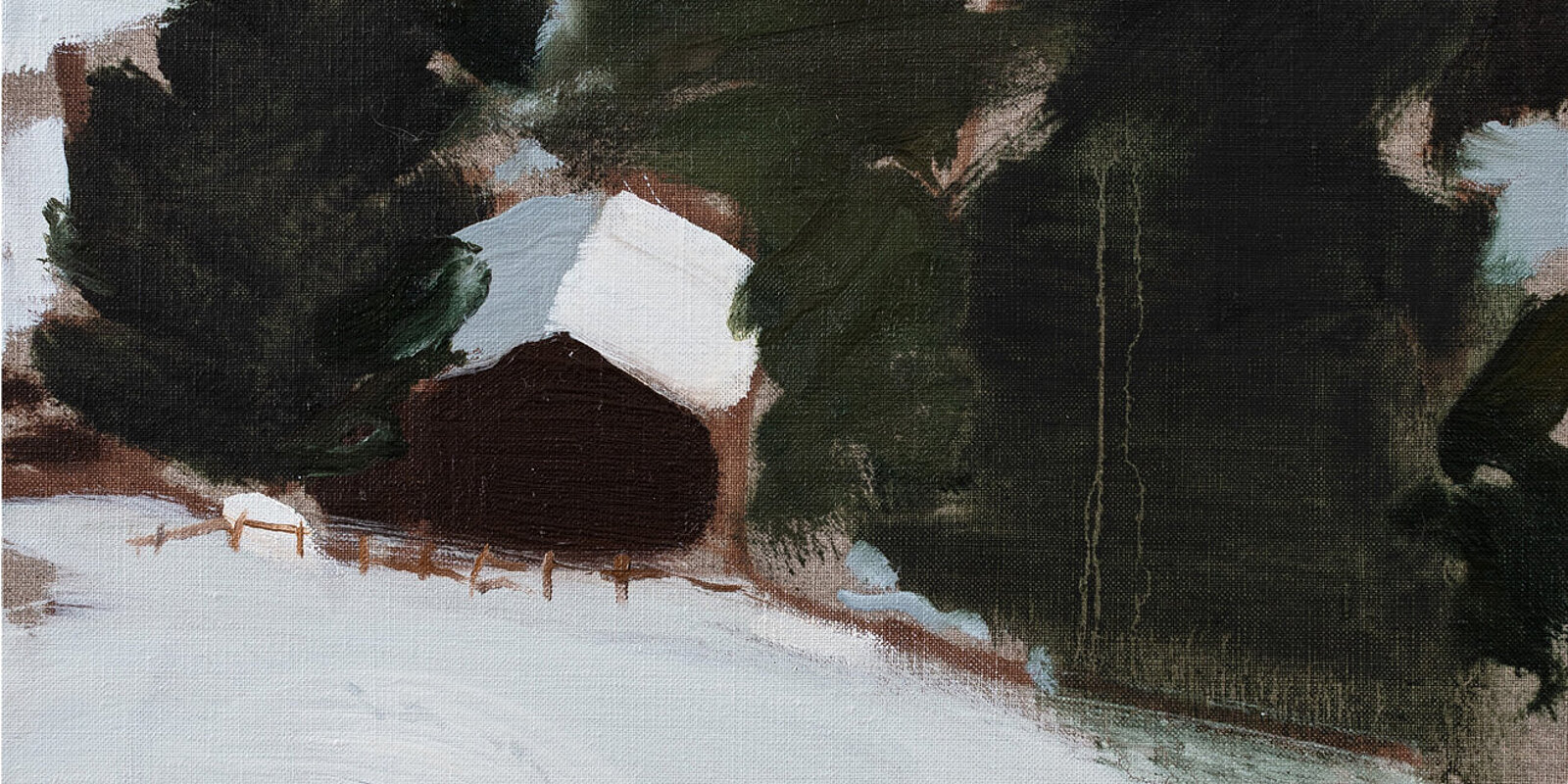
This becomes evident in the exhibition’s key work, Snow Hut (2025). At first glance, a quiet winter landscape unfolds: a small hut, the nuanced play of light and shadow across the snow-covered roof, lending the scene a gentle vitality. Only on closer inspection do faint tracks in the snow appear—a detail that sets the imagination in motion and prompts an almost involuntary smile. As in Rubin’s portraits, meaning emerges through what remains unspoken.
Rubin’s interest lies with people—their stories, and the traces of memory that run through time and personal history. One of the distinctive strengths of his practice is his ability to develop thematically concentrated groups of works that enter into a genuine relationship with their sites—less as display than as dialogue. At the Freud Museum in London, Black Book (2018) responded to the charged setting of Freud’s former home and its histories of exile, engaging questions of collective memory and mediated imagery. Likewise, Living Memory (2023) at All Saints Chapel in London—curated by Beth Greenacre and presented alongside works by Louise Bourgeois, with a sound intervention by Nicolas Godin (of the musical duo AIR)—placed Rubin’s works in a contemplative architectural environment, intensifying themes of temporality, intimacy, and inner reverberation.
In a world increasingly experienced as unstable, art can become an anchor. Louise Bourgeois once wrote: “Art is a guaranty of sanity.” Rubin’s painting gives this idea a quiet yet insistent form, returning us to the small gestures and understated beauties through which life becomes meaningful.
Ultimately, there are ways out. is also a subtle plea for hope. The exhibition invites us to pause with an open gaze and a free spirit, and to turn towards the beauty of life—towards those small joys and traces of light that often reveal themselves only at second glance.