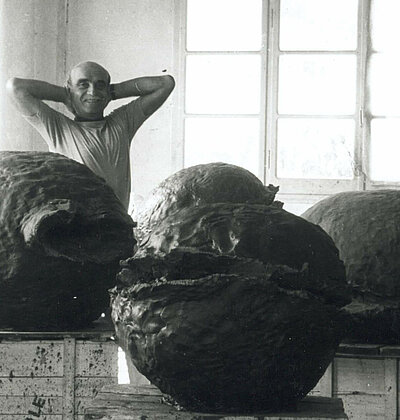
The sculptures of Lucio Fontana at the Peggy Guggenheim Collection Venice
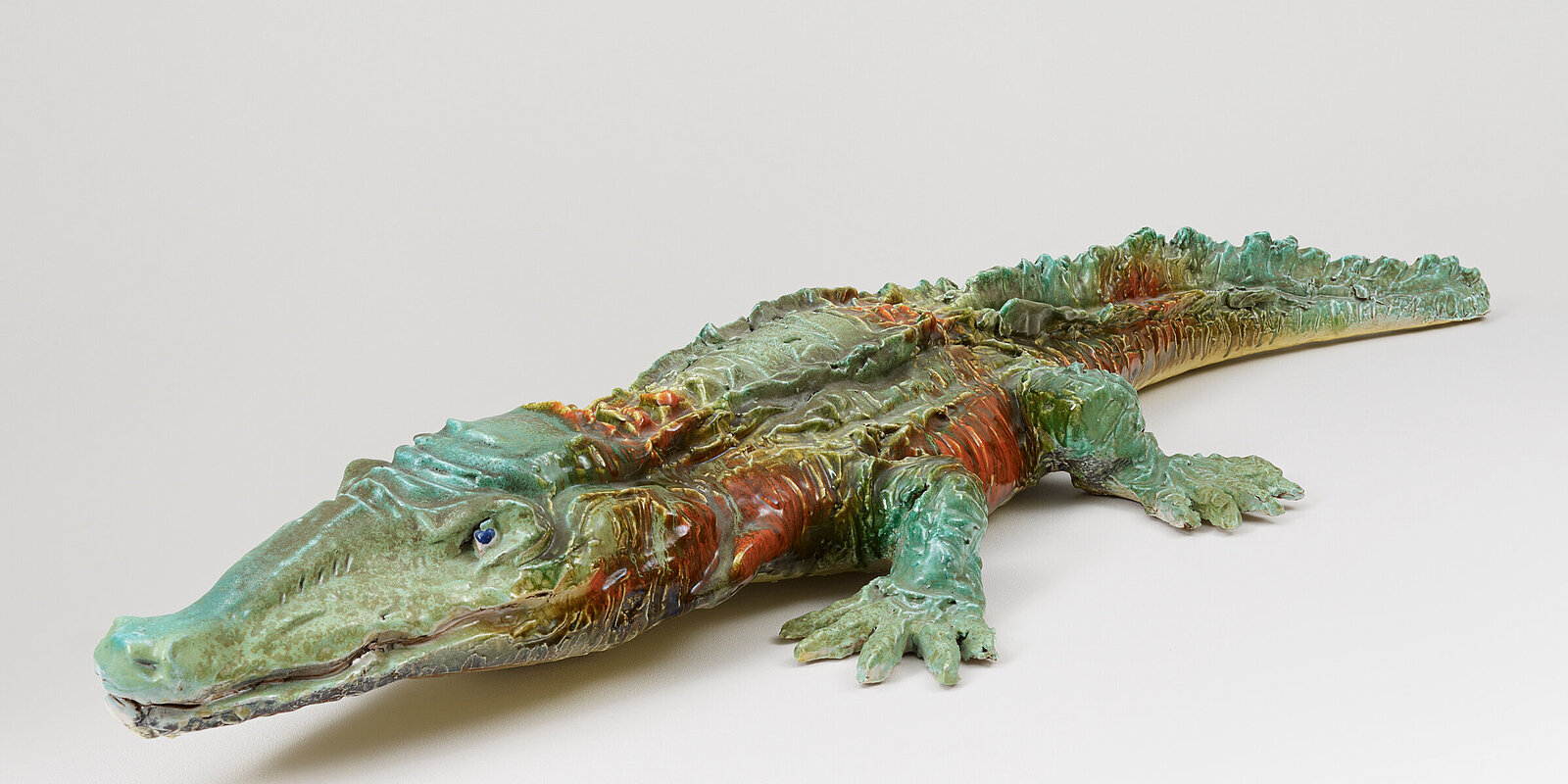
Manu-facture: The Ceramics of Lucio Fontana
October 11, 2025 - March 2, 2026
Peggy Guggenheim Collection
Venice, Italy
Lucio Fontana began working with ceramics in the 1920s, engaging in a rich exploration of the material that he continued throughout his life. Earlier works were figurative, drawing on traditional themes, such as crucifixes, warriors, harlequins. Fontana continued to expand the expressive possibilities of clay. The medium offered a fertile ground for exploring the ideas of space and matter - its soft, malleable nature allowing for compositions that ranged from figuration to complete abstraction. What may initially seem distant from Spatialism is, in fact, closely aligned with its fundamental concerns.
In 1946, Fontana affirmed his connection to ceramics in his manifesto, Manifiesto Blanco, which laid the foundations for Spatialism. The plasticity of clay embodied the principles he envisioned for a new kind of art that “drew its components from nature”:
“Existence, nature and matter form a perfect unity. They develop in time and space. Change is an essential feature of existence. Movement and the capacity to evolve and develop are the fundamental properties of matter. It exists in movement and in no other way.”